Why Consider Acupuncture?
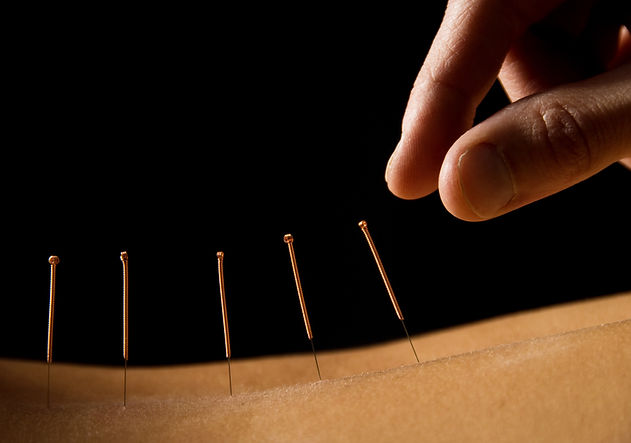
Acupuncture is part of Traditional Chinese Medicine, a therapeutic approach that has been practiced for more than 2,500 years. It involves stimulating specific points on the body using fine needles. Other techniques may also be used, such as acupressure, cupping, Gua Sha, or moxibustion (heat).
Acupuncture can be used as a complementary approach to support people experiencing a variety of discomforts and to promote overall well-being. It may contribute to relaxation, relief from certain types of pain, and better regulation of the nervous system. Treatments are tailored to each person's needs and individual situation.
Different Reasons to Consider Acupuncture
-
Stress and emotional well-being: stress, anxiety, periods of tension or feeling overwhelmed
-
Sleep and fatigue: sleep difficulties, fatigue, feeling low on energy
-
Headaches: headaches, migraines, and associated tension
-
Digestion: bloating, digestive discomfort, heartburn, acid reflux, constipation, or diarrhea
-
Breathing and respiratory comfort: persistent cough, congestion, discomfort related to allergies or sinus issues
-
Urinary comfort: frequent urination, urinary discomfort, or waking up at night to urinate
-
Musculoskeletal pain and discomfort: muscle tension, back, shoulder, elbow, wrist, knee, ankle, or hip pain, as well as certain discomforts associated with injuries or physical activity
-
Mobility and recovery: support during recovery following an injury or when certain tensions limit comfort and movement
-
Circulation and bodily sensations: feelings of heavy legs, cold hands or feet, numbness, or associated discomfort
-
Menstrual cycle and women's well-being: menstrual cramps, PMS symptoms, discomfort associated with the menstrual cycle, or irregular cycles
-
Prevention and maintenance: acupuncture used occasionally or regularly to promote relaxation, well-being, and overall balance
Acupuncture can be used on its own or alongside medical care or other health approaches, depending on each person's needs.